

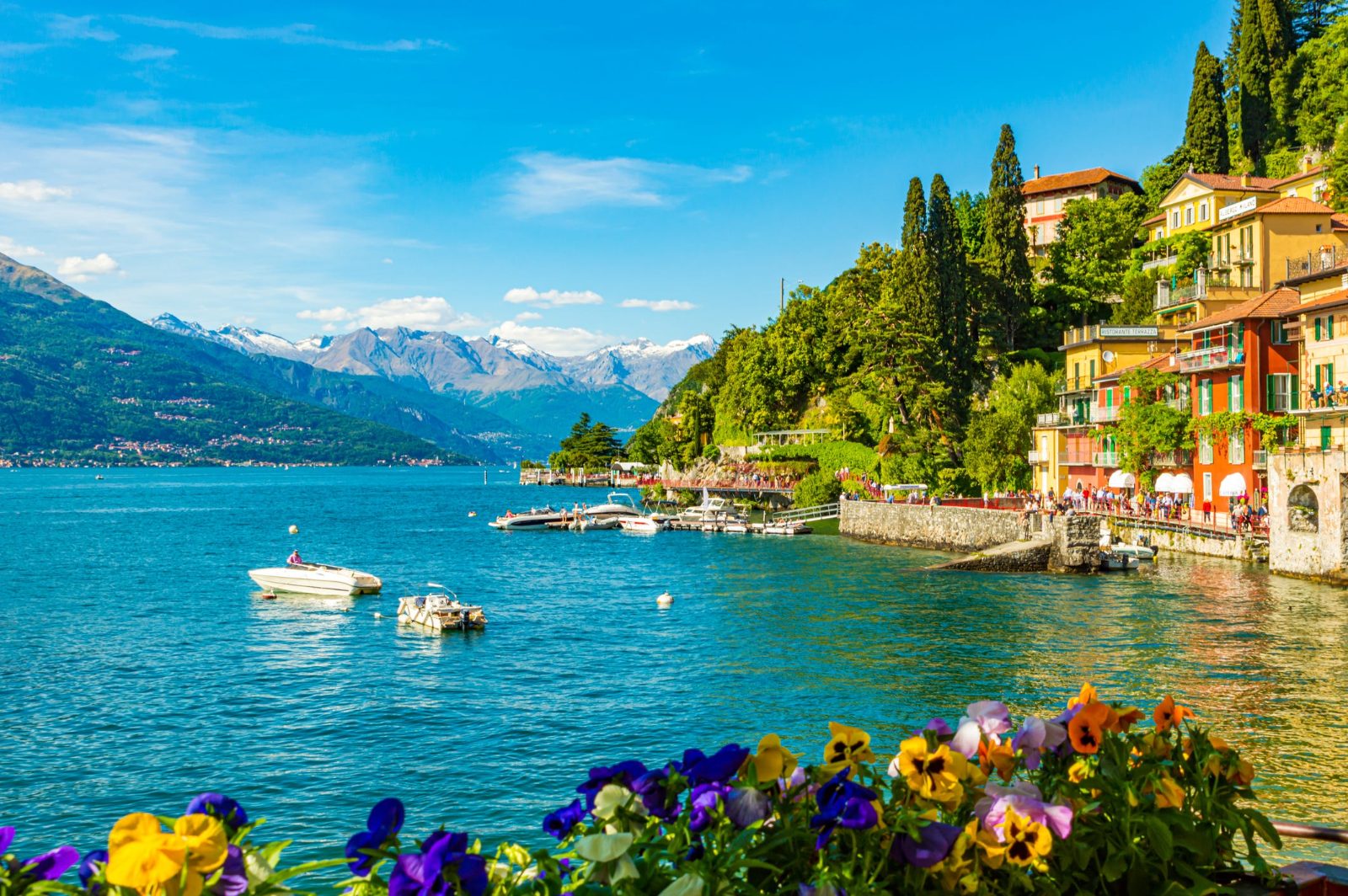
Quick answer
The fastest way to travel from Lake Garda to Lake Como is by train via Brescia or Verona, taking approximately 2 to 2.5 hours with one or two changes. Departures from Desenzano del Garda or Peschiera del Garda connect through regional hubs before reaching Como San Giovanni station. Driving takes around 2 hours via the A4 and A9 motorways, though traffic around Bergamo and Milan can add significant delays during peak hours.
The rail network treats Lake Garda's eastern and southern shores as separate corridors. Desenzano del Garda station, on the Milan–Venice mainline, offers the most frequent connections to Brescia, where regional trains depart hourly for Como. Peschiera del Garda, at the lake's southeastern tip, routes through Verona instead, a longer but equally reliable path. Both stations serve towns clustered near the water, so travelers starting from Riva del Garda or Limone sul Garda in the north must first take a bus south to reach the rail system. The geographic reality shapes every itinerary. Brescia sits midway between the lakes, a functional transfer point with connections to Como San Giovanni every 60 to 90 minutes. Journey time from Desenzano to Como via Brescia averages two hours and fifteen minutes, though delays compound when regional services run behind schedule. The Verona route adds twenty minutes but offers more frequent departures during morning and evening peaks. Neither path is direct, and both require attention to timetables posted at station platforms rather than relying on digital schedules alone. By car, the A4 autostrada runs west from Desenzano through Brescia and Bergamo before meeting the A9 north to Como. The 150-kilometer drive takes two hours in clear conditions, but the stretch between Bergamo and the Milano–Meda junction bottlenecks during weekday commutes and summer weekends. Drivers leaving between 08:00 and 10:00 avoid the worst congestion and arrive in Como before lunch crowds fill the lakeside promenades. Toll fees total approximately twelve euros, and parking near Como's historic center requires advance planning or acceptance of peripheral lots a fifteen-minute walk from the waterfront. Bus operators like FlixBus run infrequent direct services between Verona and Como, bypassing Brescia entirely but stretching travel time to three hours. These routes serve budget-conscious travelers willing to sacrifice speed for lower fares, typically under fifteen euros one-way. Seats fill quickly during July and August, so advance booking matters. The lack of a single coordinated timetable across operators means verifying schedules the day before departure prevents missed connections and wasted hours at provincial bus stations.
“No direct rail line connects the two bodies of water, so every route involves at least one transfer.”
Best Time of Day for How to Get From Lake Garda to Lake Como
The best arrival window for transitioning between Lake Garda and Lake Como is 08:00–10:00. Departing during this period helps avoid peak mid-day traffic and ensures more reliable connections for public transit and road travel.
Spring (April-May)
Moderate crowdsMild temperatures (15°C–22°C)
Pleasant conditions for travel and outdoor transit transitions.
Summer (June-August)
High visitor volumeWarm to hot (25°C–32°C)
Expect heavy traffic and busier transit hubs during peak holiday months.
Autumn (September-October)
Lower visitor densityCooler, crisp (12°C–20°C)
Stable weather provides optimal conditions for regional movement.
Weekday mornings
Low congestion—
Departing before midday minimizes exposure to commuters and tourist surges.
Verdict: The best travel window is Tuesday to Thursday, departing between 08:00 and 10:00, during the months of April or October.
Planning Your Route: How to Get From Lake Garda to Lake Como Efficiently
This plan suits travelers departing Lake Garda mid-morning and aims for a same-day arrival at Lake Como, allowing 3–4 hours total with optimal connections.
Depart Lake Garda Towns
Leave from Desenzano del Garda or Peschiera del Garda during the recommended arrival window to catch regional trains toward Milan or Brescia. Both stations offer frequent connections and ticket machines accept cards.
Transfer in Milan or Brescia
Change trains at Milano Centrale (most frequent) or Brescia; allow 20–30 minutes for platform transfers and ticket validation. Check departure boards for Como-bound services.
Arrive Como San Giovanni
Regional trains terminate at Como San Giovanni station, the main hub for onward buses and ferries to lakeside towns. Station has left-luggage lockers if continuing same day.
Onward to Lakeside Destinations
From Como San Giovanni, take bus C30 to Como centro or walk 15 minutes to the ferry pier for connections to Bellagio, Varenna, or other Como villages.
Sights Near the Routes for How to Get From Lake Garda to Lake Como
Travelers moving between Lake Garda and Lake Como often pass through key transit hubs that offer historical and architectural sites worth a brief visit. These locations allow for a convenient break in your journey across Northern Italy.
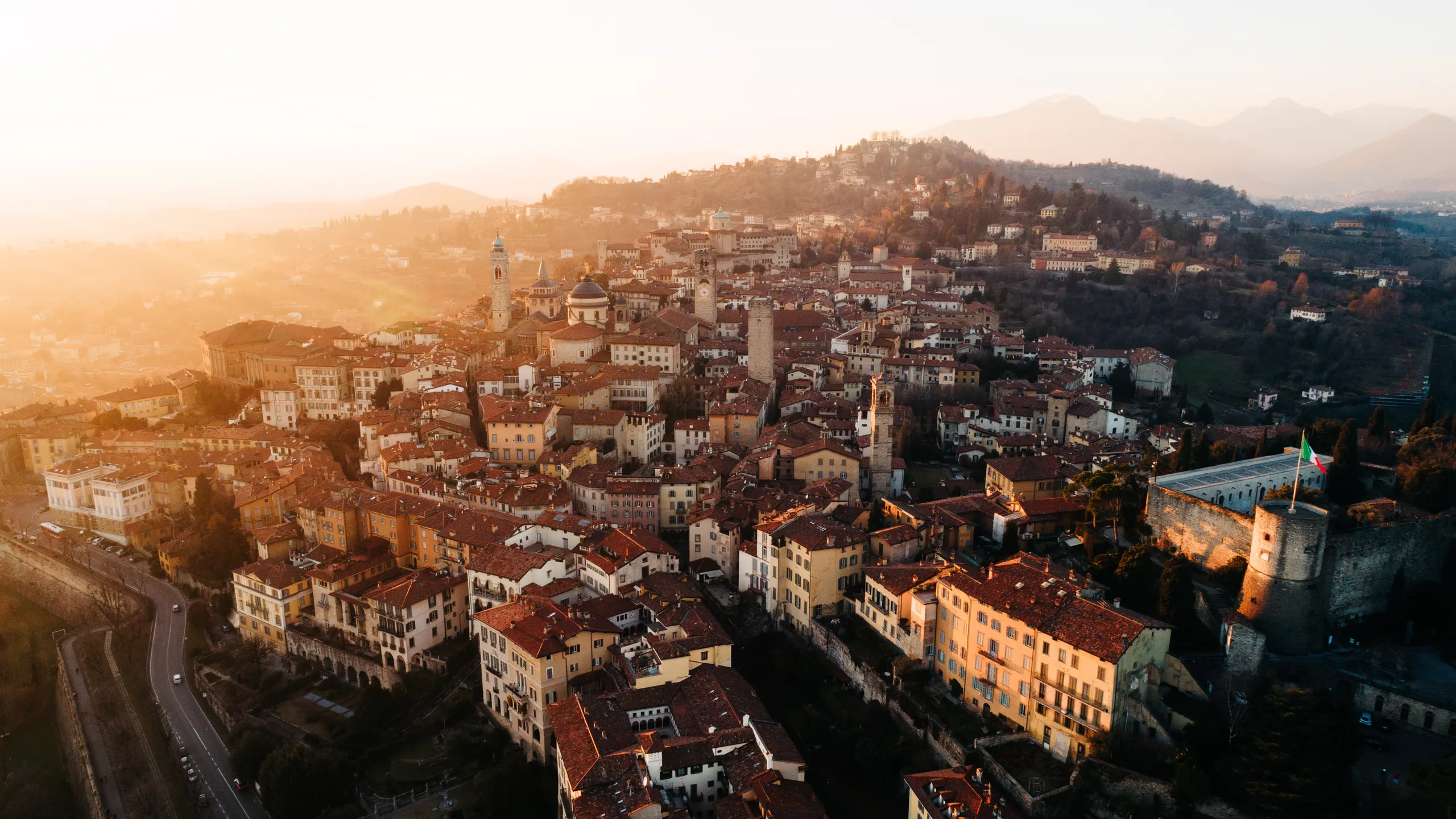
Bergamo Alta
This historic hilltop district is accessible via funicular and provides a well-preserved medieval center located directly along common transit routes.
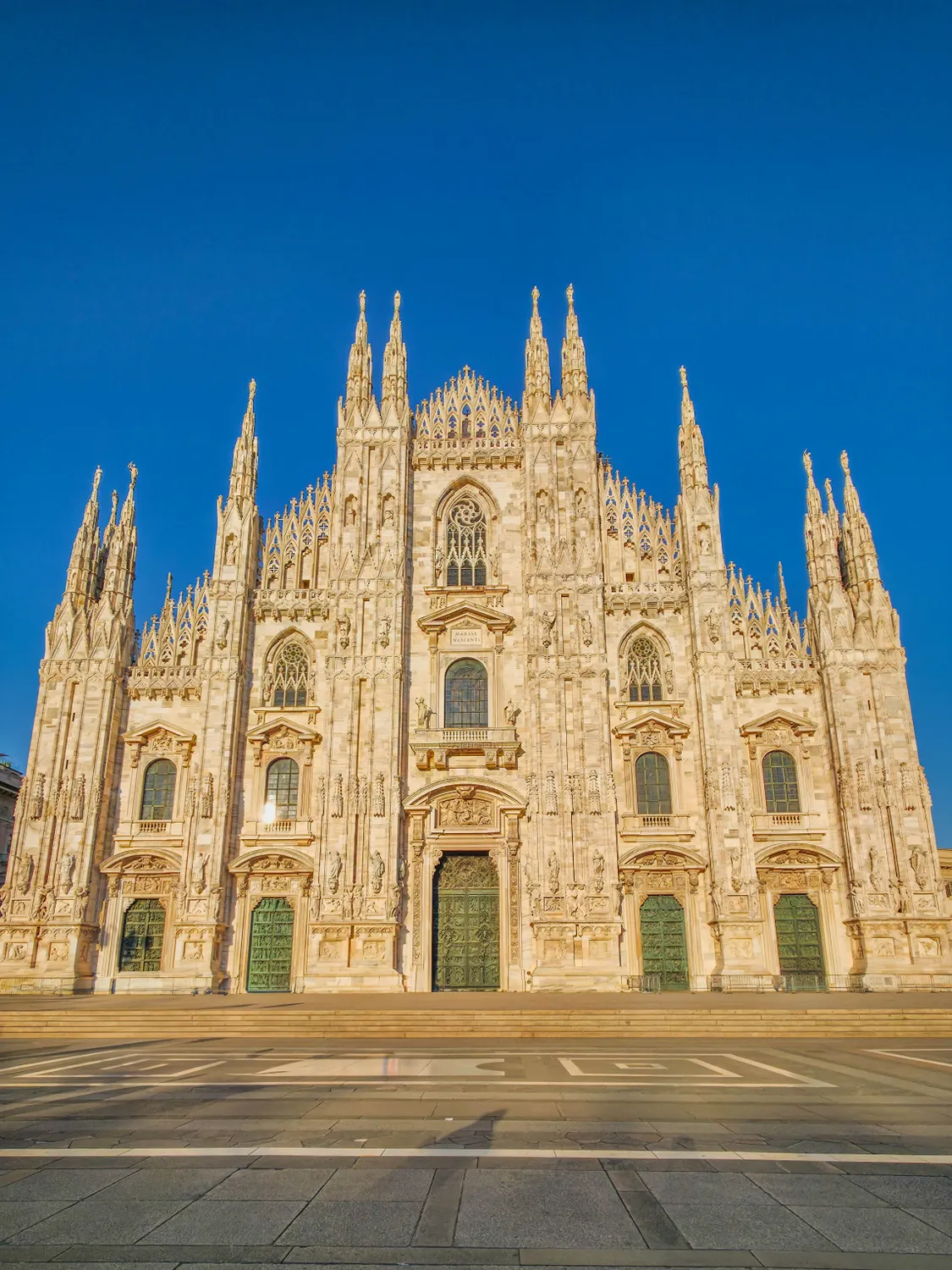
Milan Cathedral
As a major rail connection point, the city center allows for a visit to this gothic landmark and the adjacent Galleria Vittorio Emanuele II.
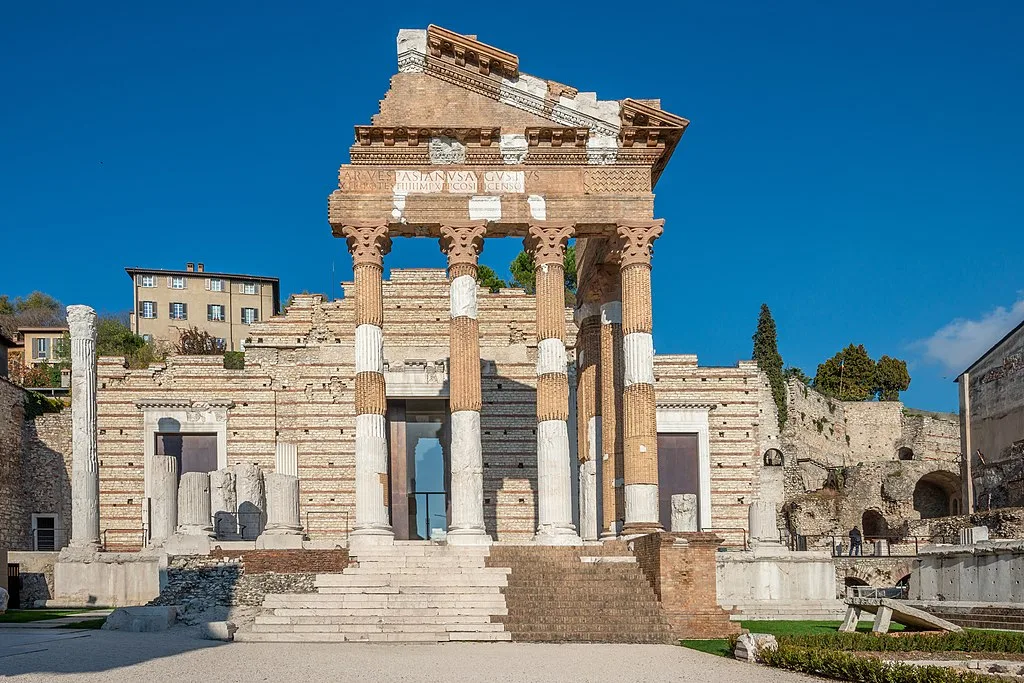
Brescia
Positioned between the two lakes, Brescia features the UNESCO-listed Roman Brixia Park and Santa Giulia Museum, perfect for a short cultural stop.
Checklist for How to Get From Lake Garda to Lake Como
Prepare these essentials before traveling between the lakes to ensure smooth connections and avoid delays.
-
Check train and bus schedules in advance — Timetables vary by season and securing early slots reduces mid-day congestion.
-
Book accommodation if staying overnight — Como and Garda towns fill quickly during peak months, especially weekends.
-
Carry valid ID or passport — Required for ticket purchases and occasional border checks near Switzerland.
-
Pack light with a day bag — Frequent transfers between trains and buses are easier with minimal luggage.
-
Download offline maps for the route — Mobile coverage can be patchy in alpine stretches between the lakes.
-
Confirm departure times the evening before — Last-minute schedule changes or strikes can disrupt regional transit.
Check availability
Frequently asked questions about lake-to-lake travel
Everything you need to know about how to get from lake garda to lake como