

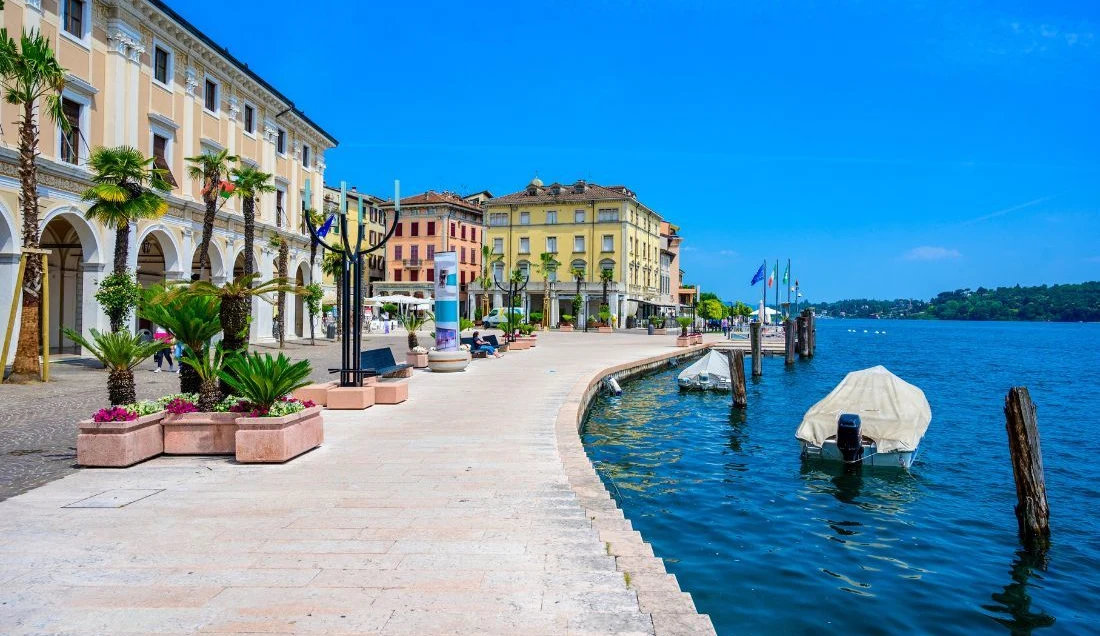
Quick answer
Lake Garda is safe to visit. Violent crime is rare across the Lombardy, Veneto, and Trentino regions that border the lake, and tourist infrastructure is well-maintained. Petty theft occurs in crowded ferry terminals and parking areas during peak season, and weather conditions on the water can change quickly. Standard travel precautions—securing valuables, checking forecasts before boat trips, and staying aware in crowds—address the most common issues visitors face.
The three provinces that share Lake Garda—Brescia, Verona, and Trento—report crime rates below the Italian national average. Violent incidents involving tourists are statistically negligible. Pickpocketing and car break-ins represent the majority of reported offenses, concentrated in high-traffic areas like Sirmione's peninsula entrance, the Riva del Garda ferry terminal, and the Desenzano parking lots during July and August. Local police maintain visible patrols in these zones, and most accommodations offer secure parking or lockers. Water safety deserves attention. The lake's microclimate produces sudden wind shifts, particularly the morning Pelèr from the north and the afternoon Ora from the south. Ferry services suspend operations when winds exceed safe thresholds, but private boat rentals and paddleboard operators may not enforce the same standards. Drowning incidents, while infrequent, occur almost exclusively among swimmers unfamiliar with the lake's depth and currents or those venturing out during unsettled weather. Designated swimming beaches have lifeguards from June through September. Rocky shorelines and unmonitored coves do not. Road conditions present the next practical concern. The Gardesana Occidentale and Gardesana Orientale—the two scenic highways encircling the lake—are narrow, winding, and heavily trafficked. Summer weekends bring bottlenecks through towns like Limone sul Garda and Malcesine, where streets built for donkey carts now handle tour buses. Cyclists share these routes, and sightlines around tunnels are limited. Defensive driving and early-morning departures reduce frustration and risk. Public ferries and buses offer a slower but less stressful alternative for exploring multiple towns. Healthcare infrastructure is robust. The Ospedale di Desenzano and clinics in Riva del Garda handle emergencies, and pharmacies stock standard medications without difficulty. Tap water meets EU standards throughout the region. Tick-borne encephalitis exists in the wooded hills above the lake, but cases among short-term visitors are uncommon. The European Health Insurance Card covers EU citizens; travelers from outside the union should verify their insurance includes Italy. Traveling to Lake Garda safely requires no extraordinary measures—just the baseline vigilance you would apply in any European resort area. The risks that do exist are predictable and manageable with straightforward preparation.
“The three provinces that share Lake Garda report crime rates below the Italian national average, with violent incidents involving tourists statistically negligible.”
General Safety and Security: Is It Safe to Travel to Lake Garda?
Lake Garda is widely considered a safe destination for international travelers, characterized by low crime rates and stable social conditions. The region maintains robust public services to ensure visitor security throughout the year.
General Safety and Security: Is It Safe to Travel to Lake Garda?
Lake Garda maintains a low incidence of violent crime, making it a secure environment for families and solo travelers. Local authorities operate active policing throughout the towns surrounding the lake to maintain public order.
Healthcare Infrastructure and Accessibility
The region is served by a high-quality Italian healthcare system with hospitals and clinics located in major towns such as Desenzano del Garda and Peschiera del Garda. Tourists have access to professional medical services, and emergency assistance is readily available via the universal European emergency number, 112.
Emergency Response Reliability
Emergency services in the Lake Garda area are well-coordinated, utilizing both land-based teams and specialized water rescue units. These professional responders are trained to manage a variety of situations, ensuring rapid assistance for those in need.
Public Infrastructure Maintenance
Local municipalities prioritize the upkeep of public spaces, pathways, and infrastructure to minimize hazards for residents and visitors. Regular maintenance ensures that town centers and public areas remain organized and secure for pedestrian traffic.
Low Petty Crime Prevalence
While popular tourist areas may occasionally experience minor pickpocketing, overall rates are low compared to other major European destinations. Travelers are advised to follow standard travel precautions, such as keeping personal belongings secure in crowded settings.
Reliable Tourist Communication
Information regarding safety and local regulations is consistently provided through official channels and municipal offices. These resources help visitors navigate the region with clear guidance on local protocols and support systems.
Safety Best Practices: How to Stay Safe When You Travel to Lake Garda
Lake Garda's alpine setting and open water create specific safety considerations. Follow water and mountain protocols to protect yourself and the environment.
Do
- Check wind and wave forecasts before water activities
- Observe color-coded flags at swimming beaches
- Carry a charged phone and map on mountain trails
- Stay on marked hiking paths in steep terrain
- Inform someone of your route before solo hikes
- Wear appropriate footwear for rocky shorelines and trails
Don't
- Don't swim in unmarked areas or during rough water conditions
- Don't hike alone in remote mountain zones without preparation
- Don't ignore weather warnings or sudden temperature drops
- Don't venture onto cliff edges for photos
- Don't leave trails to cut switchbacks on steep slopes
Planning Your Trip: When Is It Best and Safest to Travel to Lake Garda?
The optimal time to experience Lake Garda is during the shoulder seasons of spring and autumn, specifically during early morning hours. This window provides stable weather and manageable visitor levels, which enhances safety and navigation on the water.
April–May and September–October
ModerateMild temperatures from 15°C to 22°C
These months offer predictable conditions for outdoor activity. The water remains calm, supporting safer boat travel and exploration.
June–August
HighWarm temperatures from 25°C to 30°C
Expect significant tourist density during these months. Higher temperatures and boat traffic require increased awareness.
Weekday mornings
Low—
The best arrival window is 08:00–10:00. Early morning offers the calmest water conditions and smaller crowds.
Verdict: The best time to visit for safety and comfort is weekday mornings between 08:00–10:00 during the months of April, May, September, or October.
Check availability
Frequently Asked Questions: Is It Safe to Travel to Lake Garda
Everything you need to know about is it safe to travel to lake garda